

The new school term is here. That means new uniforms, new timetables, and often new clubs and activities too. From dance classes and football teams to drama groups and after-school clubs, extracurricular activities play a significant role in family life. Activity clubs help children and young people grow in confidence, make friends, and learn new skills.
But there is ONE question every parent should ask
How do I know this club is a safe environment for my child?
The Hidden Safeguarding Gap
The majority of organisations that run extracurricular activities take safeguarding seriously and work hard to protect the children in their care. However, unlike schools, health, and social care settings, there is currently no legal requirement for them to adhere to uniform safeguarding standards.
This means that extracurricular activities outside of formal education settings are only safeguarded voluntarily.
While many clubs put strong protections in place, some do not. That leaves children and young people at risk — and parents without the reassurance of consistent, mandatory safeguards being adhered to and appropriate checks being undertaken.
What Is Being Done About It?
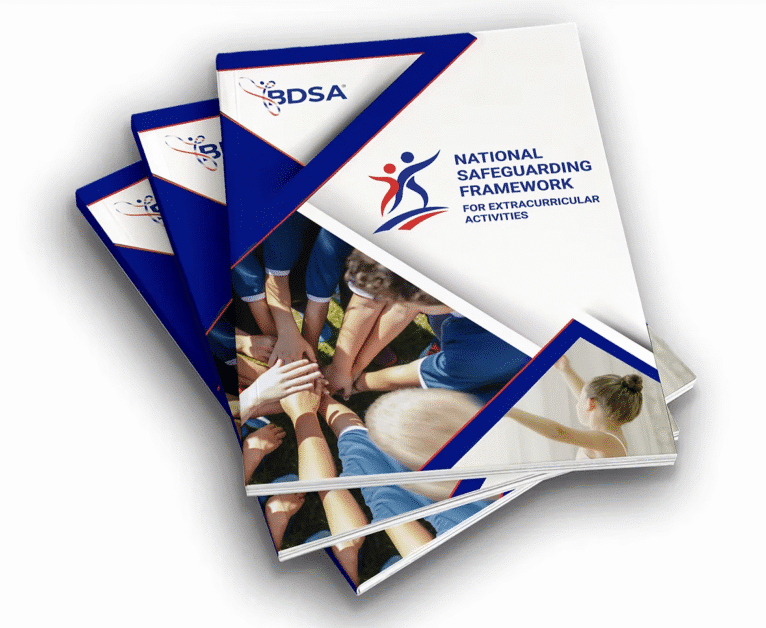
The National Safeguarding Framework for Extracurricular Activities has been created to close this gap. It sets out clear, universal safeguarding standards for every provider working with children, young people, and vulnerable adults.
The framework is designed to:
- Give parents peace of mind that clubs meet minimum safeguarding requirements.
- Support providers with clear guidance and training.
- Make sure no child or young person slips through the cracks just because the activity is outside school.
What Parents Can Do Now
Before signing up to a new club this term, ask these questions:
- Do you have a safeguarding policy? If so, is it publicly available to view?
- Are staff and volunteers DBS-checked (PVG in Scotland, where it is mandatory)?
- Who is your designated safeguarding lead and what is the reporting mechanism?
- What training and updates have staff received/will receive?
⚠️ If a provider struggles to answer these questions, it may be a red flag.
Join the Movement for Safer Clubs
We aim to make sure no child slips through the cracks just because the activity is outside school. Every child and young person deserves the same protections, regardless of location.
The postcode lottery must end so that all children and young people are protected while participating in extracurricular activities.
That is why we are calling on the government and providers to adopt the framework and make safeguarding a priority in every extracurricular activity.
Together, We Can Close the Safeguarding Gap!
👉 Please sign the petition and make parents you know aware of the issues highlighted above. Encourage them to be part of the BDSA movement demanding change.
📄 Download the National Safeguarding Framework for Extracurricular Activities








Responses