
Top 10 Dance Teacher Trends for 2026: Navigating the Future of UK Dance Education

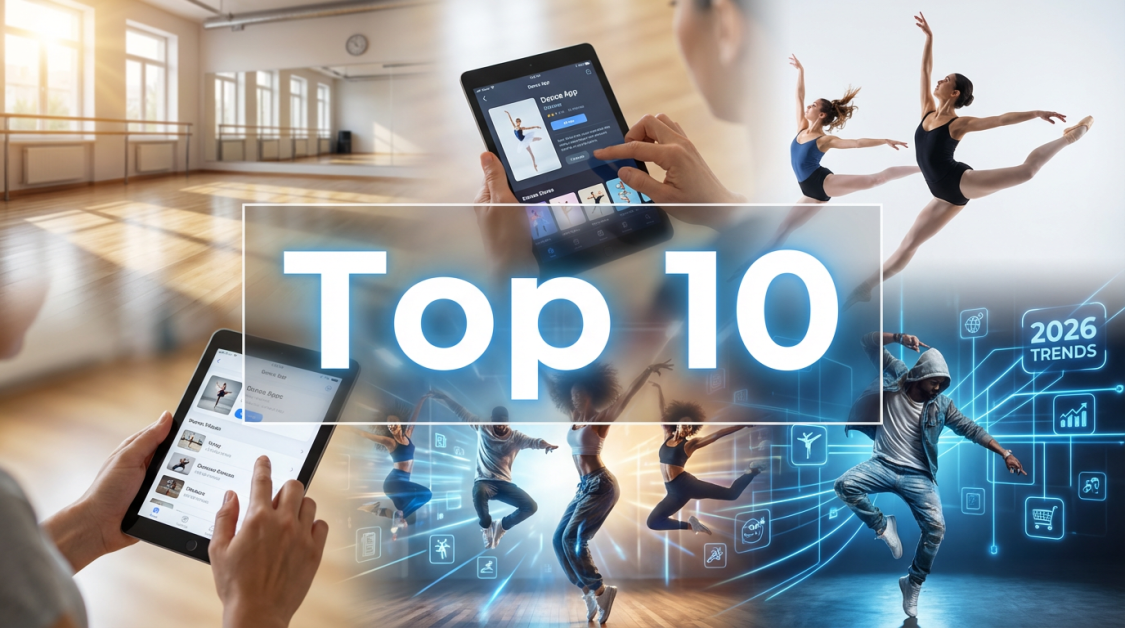
Right then, fellow dance teachers and studio owners! As we look ahead to 2026, it’s a cracking time to be thinking about how we can keep our dance schools not just afloat, but truly thriving. The world of dance teaching is always a bit of a whirlwind, isn’t it? One minute we’re all about pirouettes and pliés, the next we’re grappling with algorithms and safeguarding policies. It can feel a bit overwhelming, I know. I remember back in the day, my biggest worry was getting enough students to fill my Saturday morning classes. Now, it’s a whole different ballgame!
This year, I’ve been doing a fair bit of digging, chatting with colleagues, and keeping an eye on what’s happening across the UK dance scene. The aim is to give you a heads-up on the key trends that are likely to shape our profession over the next couple of years. Think of this as your friendly nudge, your insider scoop, to help you stay ahead of the curve and make sure your dance school is future-proof. We’ll be diving into everything from the latest tech wizardry to the ever-important nitty-gritty of qualifications and financial realities. So, grab a cuppa, settle in, and let’s get cracking!
1. The Digital Dance Floor: Embracing Technology Beyond the Basics
Let’s be honest, technology has well and truly landed in our studios, and it’s not going anywhere. For 2026, it’s not just about having a website or a Facebook page anymore. We’re talking about a more integrated, sophisticated approach.
What to Watch:
- Virtual and Hybrid Class Offerings: The pandemic certainly accelerated this, but the demand for flexibility isn’t going away. Many parents and older students appreciate the option of online classes, whether it’s for convenience, illness, or even just to catch up on a missed session. Think about offering a hybrid model where some students are in the studio and others join via a high-quality video conferencing platform. This requires good audio-visual equipment and a teacher comfortable with managing both environments simultaneously. It’s a challenge, but the reach it offers is immense.
- Advanced Online Platforms: Beyond Zoom, consider dedicated dance class platforms that offer features like scheduling, payment processing, and even video libraries for students to practice at home. Some platforms allow for better interaction and feedback, which is crucial for dance.
- Augmented Reality (AR) and Virtual Reality (VR) Exploration: While still in its early stages for mainstream dance teaching, keep an eye on how AR and VR might be used for immersive learning experiences in the future, young people are being brought up with this technology. Imagine students being able to virtually step onto a famous stage or see a 3D model of a complex ballet position. It sounds like science fiction, but the pace of innovation is astonishing. I’ve seen some early experiments with AR apps that overlay dance steps onto a student’s reflection – fascinating stuff!
- AI-Powered Feedback Tools: This is a big one. While AI won’t replace the human touch of a dance teacher, it’s starting to emerge as a tool for providing basic feedback on posture, alignment, and even rhythm. Imagine an app that can analyse a student’s video submission and highlight areas for improvement. This could be a game-changer for students practising at home, offering instant, objective feedback. It’s important to remember that this is a supplementary tool, not a replacement for your expert eye and personalised guidance.
Why it Matters: Staying technologically savvy isn’t just about keeping up with the Joneses; it’s about accessibility, engagement, and offering a modern, professional service. Students and parents expect it.
2. The Safeguarding Imperative: Beyond the Basics, It’s Non-Negotiable
This is, without a doubt, the most critical trend. Safeguarding our students is paramount, and the expectations and requirements are only going to get more rigorous.
What to Watch:
- Enhanced DBS Checks and Ongoing Monitoring: Ensure your DBS checks are up-to-date and consider how you can stay informed about any changes or updates to the system.
- Understanding and Responding to Online Safety Risks: With the rise of online classes and social media, cyberbullying, online grooming, and inappropriate content are significant concerns. You need robust policies and clear communication channels with parents about online safety.
- The Southport Incident and its Aftermath: The tragic events in Southport have rightly put a spotlight on safeguarding in children’s activities. This has led to increased scrutiny and a greater emphasis on robust safeguarding practices across all sectors, including dance. It’s a stark reminder of why our vigilance is so important.
- Utilising Resources like ProtectUK.police.uk: This is an invaluable resource for understanding the Prevent duty and reporting concerns. Familiarise yourself with the information available on ProtectUK.police.uk. It provides guidance, training materials, and reporting mechanisms.
Why it Matters: It’s about protecting our most vulnerable students and ensuring our dance schools are safe havens. Failure to comply can have devastating consequences, both legally and reputationally.
My take: This is an area where we absolutely cannot cut corners. We’ve invested in safeguarding training for our staff, and it’s been eye-opening. It’s not just about ticking boxes; it’s about genuinely understanding the risks and having the confidence to act if something doesn’t feel right. The Southport incident was a wake-up call for many of us, and it’s reinforced the need for constant vigilance and a proactive approach.
3. Qualifications and Professional Development: Elevating Your Expertise
The dance teaching profession is increasingly recognising the value of formal qualifications and continuous professional development (CPD).
What to Watch:
- Accredited Dance Teaching Qualifications: While experience is invaluable, formal qualifications from recognised awarding bodies are becoming more sought after by parents and potentially by funding bodies.
- Specialised CPD in Areas like SEND (Special Educational Needs and Disabilities): As dance becomes more inclusive, teachers with expertise in working with students with SEND will be in high demand.
- Business and Marketing Skills for Dance Teachers: Running a dance school is a business. CPD in areas like financial management, marketing, and customer service will be crucial for success.
- Mental Health First Aid and Wellbeing Support: Understanding the mental health challenges faced by young people and how to offer support is becoming increasingly important.
- Our Initiatives: Keep an eye on upcoming CPD opportunities from Teach.Dance. We are partnering with established bodies such as the BDSA (British Dance Sport Association) and UKAdance to offer a range of courses and workshops. These are excellent avenues for professional growth.
Why it Matters: Demonstrating your commitment to professional development builds trust with parents, enhances your teaching skills, and can open up new opportunities.
My take: I’m a firm believer in lifelong learning. I’ve recently completed a course on inclusive dance practices, and it’s completely changed how I approach certain students. It’s not just about learning new steps; it’s about becoming a more effective and empathetic educator. The CPD offerings from Teach.Dance, especially their collaborations with BDSA and UKAdance, are fantastic.
4. The Social Media Shuffle: Mastering TikTok, Instagram, and Beyond
Social media is no longer just a place to post class photos; it’s a powerful tool for marketing, community building, and even teaching.
What to Watch:
- TikTok Dominance: Short-form video content is king. Dance challenges, quick tutorials, behind-the-scenes glimpses, and even humorous dance-related content can go viral. It’s a fantastic way to reach a younger demographic and showcase your school’s personality.
- Instagram Reels and Stories: Similar to TikTok, Reels are crucial for discoverability. Stories offer a more informal, immediate way to connect with your audience, share daily updates, and run polls or Q&As.
- Facebook Groups for Community Building: While its reach for new audiences might be waning, Facebook groups remain excellent for fostering a sense of community among your existing students and parents.
- Authenticity Over Perfection: Users are increasingly drawn to genuine, relatable content. Don’t be afraid to show the real you, the hard work, and the occasional blooper!
- Paid Social Media Advertising: As organic reach can be challenging, consider investing in targeted ads on platforms like Facebook and Instagram to reach new potential students in your local area.
Why it Matters: Social media is where your potential students and their parents are spending their time. It’s your digital shop window and your community hub.
My take: I’ll admit, TikTok was a bit of a steep learning curve for me! But once I got the hang of it, I saw a huge increase in engagement. My students love seeing their progress shared (with permission, of course!) and it’s a great way to attract new families who might not have found us otherwise. The key is to be consistent and to find your unique voice.
5. The Financial Squeeze: Navigating Rising Costs and Economic Pressures
Let’s talk brass tacks. The economic climate in the UK is tough, and dance teachers are feeling the pinch.
What to Watch:
- Rising Studio Rental Costs: Many dance studios are facing significant increases in rent, which directly impacts your overheads.
- Increased Utility Bills: Energy costs remain a concern, making it more expensive to heat and light your studio.
- The National Living Wage and Minimum Wage Increases: While essential for staff, these increases do add to your payroll costs.
- Parental Budgets: Families are also feeling the squeeze, which can make them more selective about extracurricular activities. You might see a greater demand for value for money.
- Diversifying Income Streams: Consider offering workshops, holiday camps, merchandise, or even private lessons to supplement your core class income.
Why it Matters: Financial stability is crucial for the longevity of your dance school. Understanding these pressures allows you to plan effectively and make informed business decisions.
6. Inclusivity and Accessibility: Dance for Everyone
The movement towards making dance accessible to all is gaining momentum, and 2026 will see this trend solidify.
What to Watch:
- Adaptive Dance Programs: Offering classes specifically designed for students with physical or learning disabilities. This requires specialised training and a willingness to adapt your teaching methods.
- Gender-Neutral Dancewear and Class Structures: Moving away from traditional gendered expectations in dance.
- Affordable Dance Options: Exploring ways to offer more affordable classes or scholarships for students from lower-income backgrounds.
- Diverse Representation in studio timetables: Ensuring your classes reflects a diverse range of dance styles, cultures, and histories, and that your teaching staff are also diverse.
Why it Matters: Dance is a powerful tool for physical, emotional, and social development. It should be available to everyone, regardless of their background or abilities.
7. The Rise of Micro-Influencers and Local Community Focus
While global trends are important, there’s a growing appreciation for local talent and community connection.
What to Watch:
- Local Partnerships: Collaborating with local schools, community centres, and businesses for events and cross-promotion.
- Showcasing Local Talent: Highlighting the achievements of your students and staff within your local community.
- “Mumfluencers” and Parent Advocates: Leveraging the power of trusted local parents who can champion your dance school.
- Hyper-Localised Marketing: Tailoring your marketing efforts to specific neighbourhoods and demographics within your town or city.
Why it Matters: Building a strong local reputation and fostering a sense of community can be a powerful differentiator in a crowded market.
Mt take: I’ve found that really engaging with our local community has been a game-changer. We’ve recently performed at a local events and partnered with the local hospice on a chartiy Strictly event, and the buzz it created was fantastic. It’s about being visible and showing people that you’re an integral part of the community, not just a business.
8. Wellness and Mental Health Integration: Beyond the Physical
The focus on holistic wellbeing is extending into dance education.
What to Watch:
- Mindfulness and Breathwork in Classes: Incorporating simple techniques to help students manage stress and improve focus.
- Body Positivity and Self-Esteem Building: Creating a supportive environment where students feel confident and accepted, regardless of their body type or perceived flaws.
- Recognising and Responding to Signs of Anxiety and Depression: Equipping yourself with the knowledge to identify when a student might be struggling and knowing how to signpost them to professional help.
- Teacher Wellbeing: Prioritising your own mental health and wellbeing is crucial. Burnout is a real risk in this profession.
Why it Matters: Dance can be incredibly beneficial for mental health, but it’s important to create an environment that actively supports it.
My take: I’ve noticed a real shift in how students are talking about their mental health. It’s no longer a taboo subject. I’ve started incorporating short mindfulness exercises at the beginning of my classes, and the difference in their focus and overall mood is remarkable. It’s about nurturing the whole child, not just their technique.
9. The Evolution of Dance Styles: Fusion and Cross-Pollination
The lines between dance genres are blurring, leading to exciting new forms of expression.
What to Watch:
- Fusion Classes: Offering classes that blend elements of different dance styles (e.g., contemporary ballet, hip-hop lyrical, jazz funk).
- Cross-Training for Dancers: Encouraging students to explore a variety of dance forms to develop versatility and prevent injury.
- Influence of Global Dance Trends: Keeping an eye on emerging dance styles from around the world and how they might influence the UK scene.
- Choreographic Innovation: Dancers and choreographers are constantly experimenting, leading to new movement vocabularies.
Why it Matters: Offering a diverse range of styles can attract a wider student base and keep your curriculum fresh and exciting.
My take: I love seeing how different styles are influencing each other. My students are always asking to learn a bit of street in their jazz class, or some contemporary floorwork in their ballet. It’s about being adaptable and embracing the creative possibilities that come from mixing things up.
10. Sustainability and Ethical Practices: A Growing Concern
Consumers, including parents, are increasingly conscious of the environmental and ethical impact of the businesses they support.
What to Watch:
- Eco-Friendly Studio Practices: Reducing waste, using sustainable materials, and conserving energy.
- Ethical Sourcing of Dancewear and Merchandise: Considering where your products come from and the conditions under which they are made.
- Promoting a Culture of Respect and Inclusivity: Ensuring your studio is a place where everyone feels valued and respected.
- Transparency in Business Operations: Being open and honest about your business practices.
Why it Matters: Aligning your dance school with ethical and sustainable values can resonate with a growing segment of your audience and contribute to a more responsible industry.
Wrapping Up: Your 2026 Dance School Roadmap
Phew! That’s a lot to take in, I know. But hopefully, this gives you a clear picture of the exciting, and sometimes challenging, landscape that lies ahead for dance teachers in the UK. The key takeaway is to be adaptable, embrace learning, and always, always put your students’ wellbeing and safety first.
The dance world is constantly evolving, and by staying informed and proactive, you can ensure your dance school not only survives but truly flourishes in 2026 and beyond. Keep dancing, keep learning, and keep inspiring!
Frequently Asked Questions for 2026
Q: What is the National Living Wage for UK dance teachers in 2026? A: As of April 2026, the UK National Living Wage for employees aged 21 and over is £12.71 per hour. For staff aged 18-20, the rate is £10.85 per hour. Dance school owners must ensure all payroll meets these new legal minimums immediately to avoid penalties.
Q: How does ProtectUK and Martyn’s Law affect my dance school? A: In the wake of the Southport tragedy, safeguarding now includes physical site security. While Martyn’s Law legislation primarily targets larger venues, the principles apply to everyone. Dance schools should now have clear lockdown procedures, secure entrance controls (like buzzers or door staff), and a plan for dealing with external threats.
Q: Do I really need to update my employment contracts this year? A: Yes. The new Employment Rights Bill has banned practices like “fire and rehire” and extended the window for tribunal claims to six months. Old contract templates may no longer be legally compliant. It is vital to ensure your contracts allow for flexibility while meeting these new stricter employment rights.
Q: Which social media platforms should I focus on to get more students? A: It depends on who you want to reach. Use TikTok to attract students (especially teenagers) looking for specific styles like Commercial or K-Pop. Use Instagram to build your professional brand image. Use Facebook (especially local community groups) to reach parents and fill preschool or beginner classes.
Q: How can I improve student retention when costs are rising? A: Focus on value and community. The “slow down” movement shows that parents appreciate quality over quantity. Offering hybrid learning options (so they never miss a class), creating a strong sense of belonging through student-led events, and being transparent about your fees can all help retain families even when budgets are tight.
Q: Where can I find CPD training for dance teachers? A: Continuous Professional Development is key in 2026. Teach.Dance is launching several new CPD-aligned initiatives this year in partnership with the BDSA and UKA Dance. These bite-sized courses are designed to fit around your teaching schedule. Keep an eye on our blog and socials for updates.





Responses