
Dance school timetable: planning your September classes


It’s early August. The studio is quiet, the kettle’s on and there’s a blank timetable grid in front of you. What you write in it now will shape your whole year.
A good dance school timetable fills classes, keeps families happy and leaves you enough energy to teach well. Here’s the simple Teach.Dance approach to planning yours. These are practical tips, so adapt them to your school, your venue and your teachers.

Start with last year’s registers
Your registers already know a lot about what works. Look at which classes were full, which had waiting lists and which slowly thinned out. Note the times when attendance dipped, like the late Friday class that struggled after Christmas.
Then think about who’s moving up. Dancers who’ve grown out of a class need somewhere to go in September. Planning that progression first stops you squeezing in a new class later.
Check local term dates early
School terms shape family life, so they shape your timetable too. The gov.uk page on school term and holiday dates explains that dates vary across the UK. It points you to your local council’s website to find them.
If you teach in more than one town, check each council. Half terms don’t always line up. Put the dates in your diary now, so you can plan shows, exams and holidays around them.
Match class times to ages
Think about each family’s day. Younger children are often freshest straight after school or nursery pick up. Teenagers often prefer later classes once homework and sport are done.
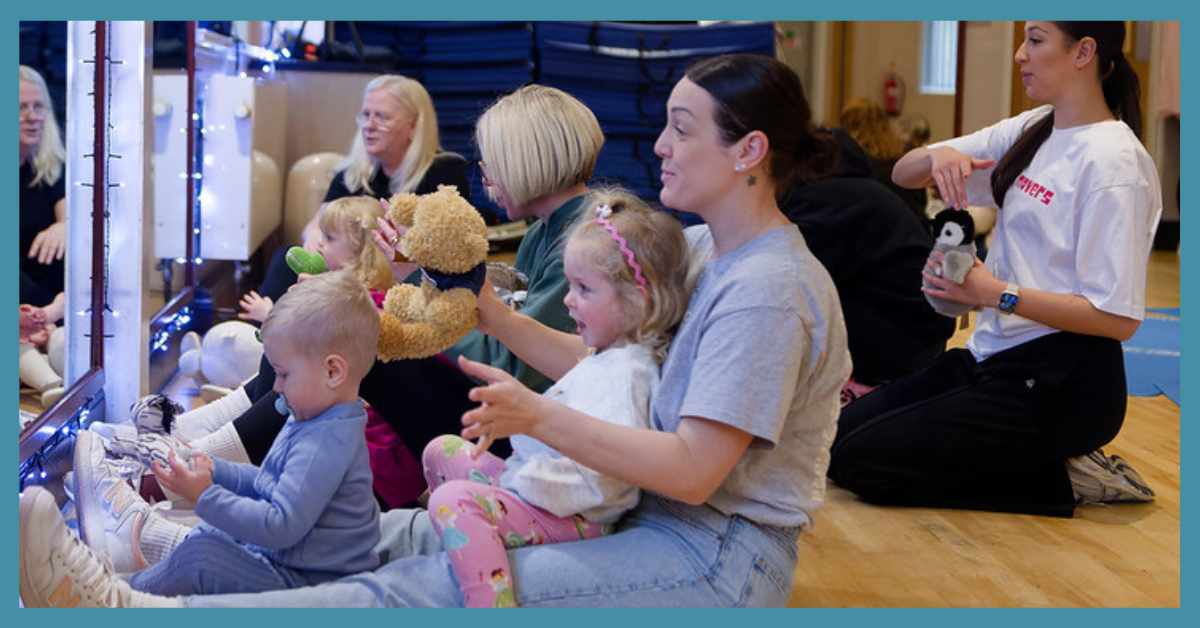
Keep your littlest classes short and lively. Our Teach.Dance guide to mini movers dance for early years has ideas for building a strong early years programme.
Leave time between classes
Back to back classes look efficient on paper. In real life, one group is leaving while the next arrives, shoes are being changed and a parent wants a quick word.
A gap of 10 to 15 minutes keeps things calm and safe. It gives you time to hand children back properly and welcome the next group. The DfE’s safeguarding guidance for out-of-school settings is a useful reminder here. It says you should never leave a child unsupervised with another parent or carer.
Make life easy for siblings
Families with two or three dancers really value a joined up timetable. Try to run classes for different ages at the same time or one after the other. One trip to the studio is much easier than three.
Ask a few regular parents what would help them most. Their answers are often simpler than you’d expect.
Look beyond the after school rush
Weekday evenings and Saturday mornings fill quickly. Daytime slots can be quieter, but they suit adults, retired dancers and parents with preschoolers. Our post on how line dance might save your daytime timetable has more ideas.
Plan your own breaks
Five hours of teaching without a pause takes its toll on your body and your voice. Build in a proper break, even if it’s only 20 minutes for food and water.
Spread your most demanding classes across the week too. Our post on vocal health for dance teachers has simple ways to protect your voice through a busy term.
Check rooms and teachers
Before you share anything, confirm the hall bookings for every slot. Check your teachers and assistants are free on the days you’ve planned. A timetable with a gap where a teacher should be is hard to fix in September.
Share it early
Families often plan their autumn routines in August. Share the timetable on your website, social media and in your newsletter as soon as it’s confirmed. A clear timetable with ages, times and venue makes booking easy.
Your next step is to sketch a draft this week. Then test it against three real families on your register and see if it works for them.
Teach.Dance · For Teachers, By Teachers







Responses