
Running a dance summer intensive that’s safe and fun


A summer intensive is often the week dancers remember all year. New routines, new friends and a little show at the end. It also means longer days, bigger groups and families trusting you with their children for hours at a time.
Many schools in England break up in the second half of July, so now is a good time to get organised. Here at Teach.Dance, we’ve pulled together the safety basics that keep an intensive running smoothly. Most of it comes from the Department for Education’s safeguarding guidance for out-of-school settings, which covers holiday clubs and activities like ours. This is general guidance, so do check the full document for your own setting.
Plan the shape of each day
A good intensive day has rhythm. Mix high energy sessions with calmer ones, like stretching, mime or watching each other’s work. Build in a proper lunch, regular water breaks and a quiet corner for anyone who needs five minutes.
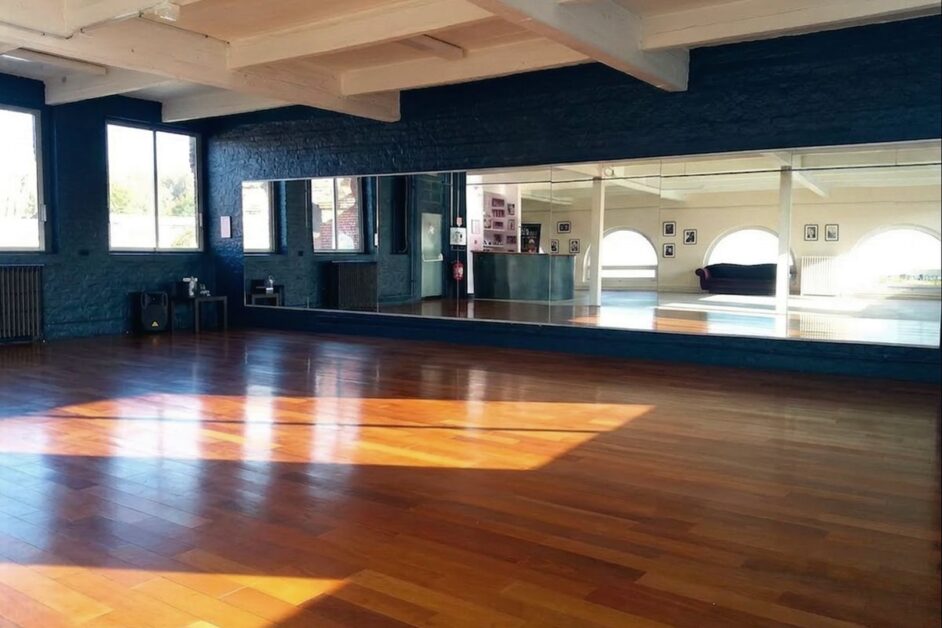
Check the basics before you book the room. The DfE guidance says facilities should be adequate for the activity, including access to toilets and drinking water. For a full day of dancing, that matters more than ever.
Give your risk assessment a summer check
An intensive isn’t the same as your usual Tuesday class. You might have more children, longer hours, a new room or props like hoops and chairs. Each of those can change your risks.
The DfE guidance says risk assessments should be reviewed at least once a year. It also says special events and trips need their own case by case risk assessment. Look again at anything new this summer, like a guest teacher, a bigger group or a trip to the park.
Keep it practical. Walk the space, look for anything a dancer could slip on or bump into, and decide what you’ll do about it. Then share the key points with your team on day one.
Take a register at the start of every session
Registers are one of your simplest and best safety tools. The guidance says you should take a register at the start of each session. It explains that a register helps in an emergency, such as a fire or a child going missing.
On a long day, a quick headcount after lunch and after breaks helps too. Keep a clear note of who is collecting each child. If a different adult turns up, check with the parent before the child leaves.
Know your emergency plan
On the first morning, walk the fire route with your dancers. Younger children can treat it like a follow the leader game. Show everyone the meeting point outside.
The DfE guidance is clear that all providers must have a fire safety and evacuation plan. It also recommends an emergency plan, so you and your staff know how to respond if something goes wrong. Keep your register and emergency contacts somewhere you can grab them on the way out.
Make sure first aid is covered
Long, active days mean more chances for bumps and blisters. The guidance says you should have an appointed person, or at least one staff member with first aid training. If children aged 5 and under attend, it says you should have at least one person with a current paediatric first aid certificate.
Check who is on site every day, not just on Monday. If your first aider is only in for the mornings, plan cover for the afternoons.
Supervise your youngest dancers closely
Mini movers bring huge energy to an intensive, and they need a little more care. For children aged 5 and under, the guidance says they should usually be within both sight and hearing of staff. They should always be within sight or hearing, including while they eat.
Plan toilet trips and lunch so one adult never ends up stretched across two rooms. Pairing a younger group with a dedicated helper often makes the whole day calmer.
If a child goes missing
It’s rare, but a clear plan helps everyone stay calm. The guidance says that if you discover a child is missing, alert your designated safeguarding lead or a senior staff member. They should search inside and outside the building.
If the missing child is 5 or under, the guidance says to contact the police immediately. For older children, you’d usually contact the parents first to check whether they’ve gone home.
Teaching on your own? The guidance says you shouldn’t leave the other children unattended to search. Contact the missing child’s parents instead, and agree a backup plan in advance with someone who can help.
Brief your team before day one
Your helpers, assistants and guest teachers all shape how safe the week feels. A short briefing before the first session makes a big difference. Cover who your designated safeguarding lead is, how to raise a concern and the medical needs they should know about.
The guidance also mentions a staff behaviour policy, sometimes called a code of conduct. Share yours with everyone helping out, even if they’re only in for a day. Our Teach.Dance guide to safeguarding in dance schools is a helpful refresher for the whole team.
Keep it joyful
Safety and fun go together. When the structure is clear, you can relax and enjoy the creative side. Pick a theme, teach a routine that fits the week and finish with a sharing for families.
Summer can bring hot days too. The NHS page on coping in hot weather has simple tips worth reading before the week begins.
Your next step is simple. This week, print your register, walk your fire route and confirm your first aid cover for every day of the intensive.
Teach.Dance · For Teachers, By Teachers






Responses